Travel in Albania
Kruje Castle

Kruje Castle: history, museums and why it matters

Perched high above the historic town of Krujë, overlooking valleys that stretch toward the Adriatic Sea, Kruje Castle is more than a scenic viewpoint. It is one of the most meaningful landmarks in Albania. For centuries, it stood at the center of resistance, leadership, and identity. Today, it remains a place where history feels present rather than distant. Visiting Kruje Castle is not simply about walking through old stone walls. It is about understanding how a mountain fortress became a symbol of unity and defiance, and why it continues to shape the country’s national story.

Arriving in Krujë and walking toward the castle

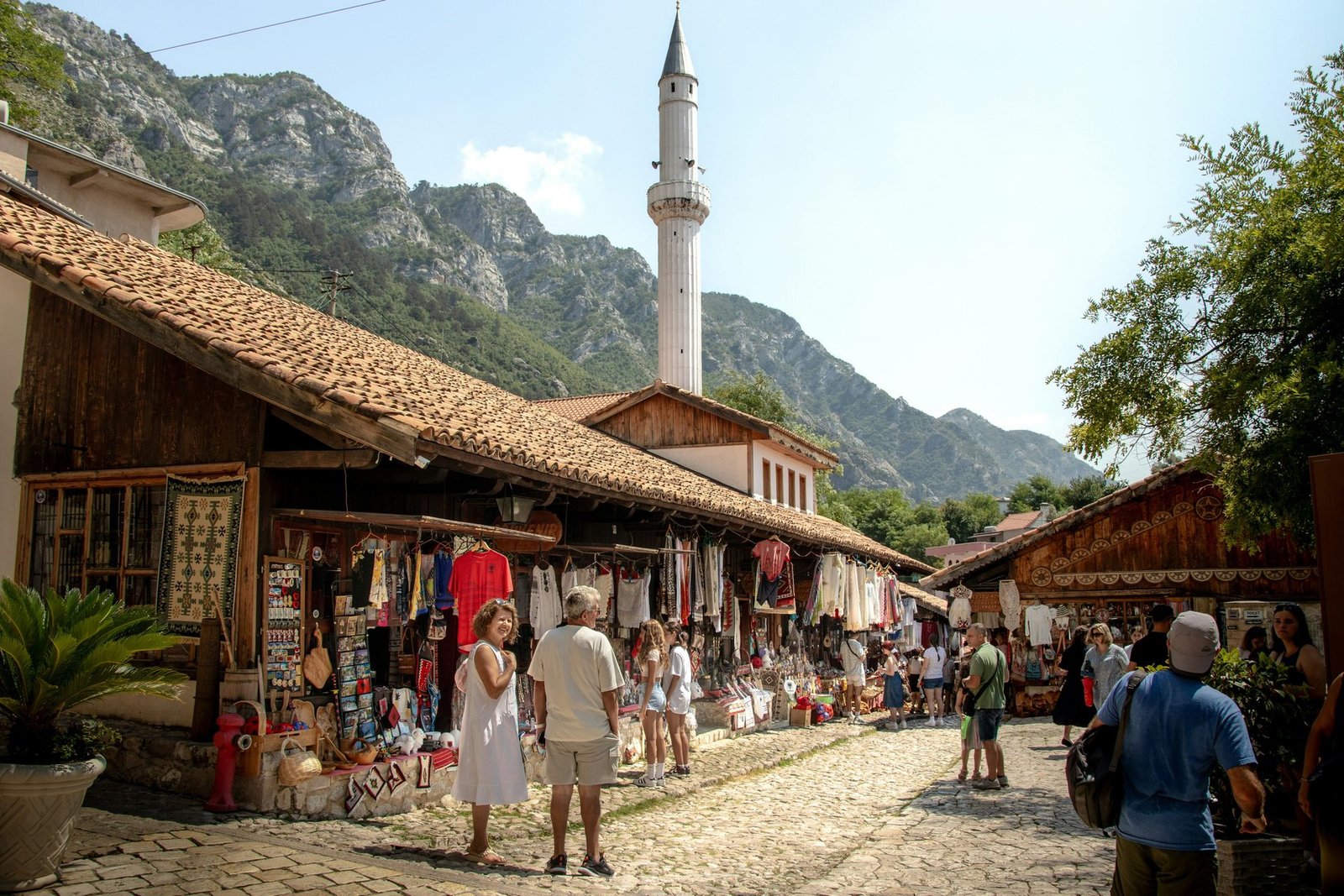
Krujë is located north of Tirana and can be reached in about an hour by road. As you approach the town, the mountain landscape becomes more dramatic. The fortress walls appear above the rooftops, immediately reminding you that this was once a defensive stronghold. Most visits begin near the Old Bazaar. A cobbled street climbs steadily toward the castle entrance. Small shops line the path, selling handmade textiles, carpets, silver jewelry, and traditional crafts. The slow walk uphill adds to the experience. You are not just arriving at a monument. You are moving toward a place that once carried enormous strategic importance. The elevated position of Kruje Castle explains much of its historical role. From the fortress walls, defenders could observe movement across the surrounding plains. Even today, the panoramic views are impressive. On clear days, you can see far into central Albania and toward the coast.

The elevated position of Kruje Castle explains much of its historical role.

Perfect for all-season travel.
The early origins of Kruje Castle

The site of Kruje Castle has ancient foundations. Archaeological findings suggest that fortifications existed here during the Illyrian period. Later, the Romans and Byzantines recognized the value of its position and strengthened the defenses. By the Middle Ages, the fortress had become a significant regional center. However, its most defining chapter began in the fifteenth century, during a period of intense conflict that would leave a lasting mark on Albanian identity.

Skanderbeg and the defense of Kruje Castle

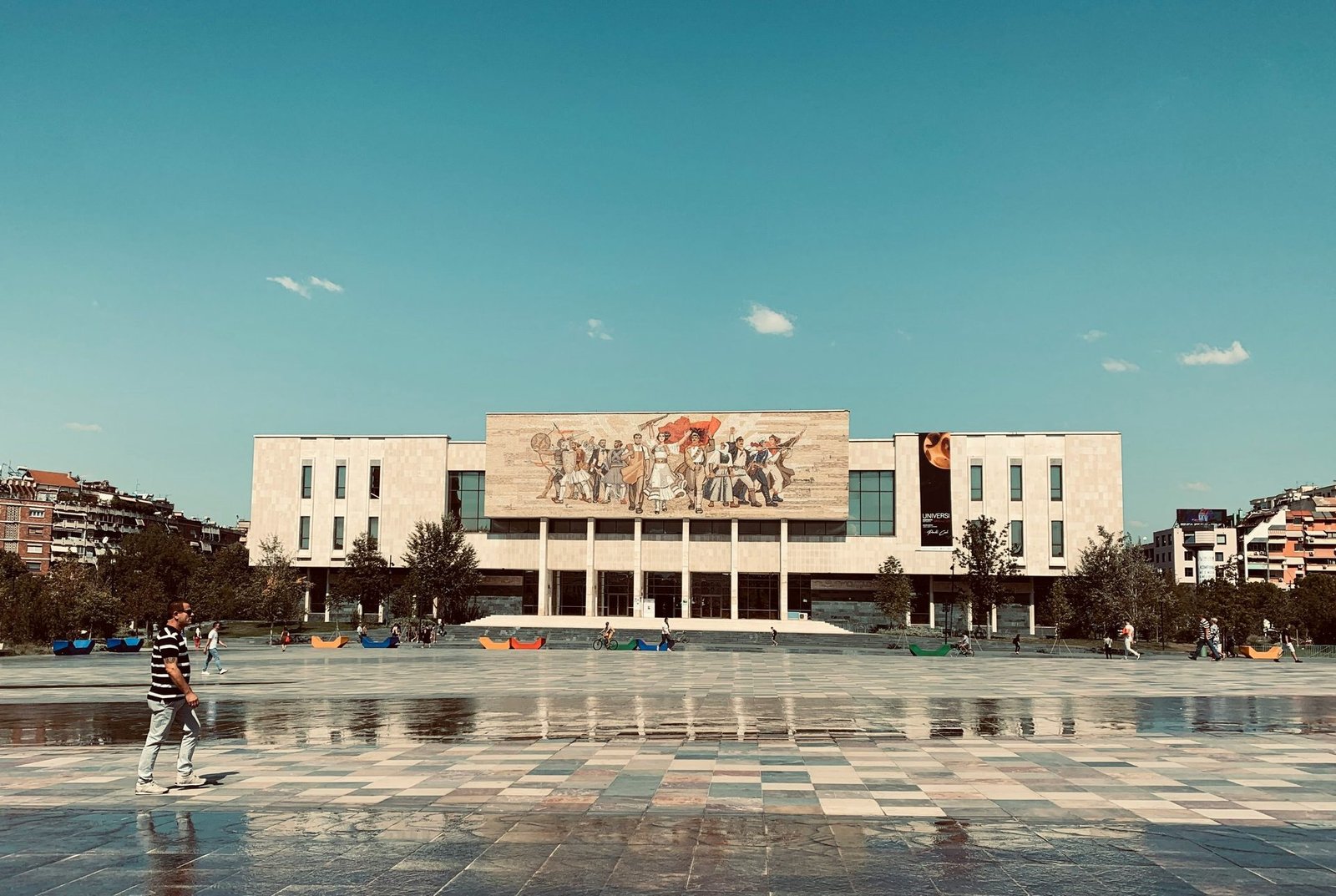
Tirana is compact, and its main attractions are within walking distance of one another. Small pedestrian streets branch off from the square toward the Clock Tower and nearby cafés. Café culture defines daily life here. Outdoor tables fill the sidewalks. People sit for hours over coffee. Conversations stretch into the evening. Observing this rhythm is one of the easiest ways to understand the character of the city. You will also notice buildings painted in bright colors. After the end of communism, parts of the city were deliberately repainted as a symbol of change. These colors remain a visible reminder of transformation


The rise of a national leader

In the fifteenth century, Albania faced increasing pressure from the expanding Ottoman Empire. Gjergj Kastrioti, known as Skanderbeg, emerged as a unifying leader among Albanian nobles. After returning to his homeland, he reclaimed Kruje Castle and transformed it into the heart of organized resistance. From this fortress, Skanderbeg coordinated alliances and military campaigns. The castle became the symbol of a united effort to defend the region.


The historic sieges

Kruje Castle endured several major Ottoman sieges, including in 1450, 1466, and 1467. Despite overwhelming odds, the defenders managed to hold the fortress for decades. Its strategic location and strong fortifications played a crucial role in its survival. Although the castle eventually fell after Skanderbeg’s death, its defense became one of the defining stories in Albanian history. The legacy of those sieges continues to resonate today.


Exploring Kruje Castle today

Entering the castle grounds feels like stepping into an open air historical complex. The walls outline a large area that once included administrative buildings, living quarters, and military spaces. While parts of the structure have been restored, the atmosphere still carries a sense of age and endurance. Walking through the courtyard areas and along the stone pathways gives a sense of scale. The views from the walls remain one of the highlights of the visit. Standing there, it becomes easier to imagine how the fortress functioned centuries ago.

The Skanderbeg Museum inside the castle

Understanding the resistance

Within the castle complex, the Skanderbeg Museum provides context to the fortress itself. The museum focuses on the life and leadership of Skanderbeg, along with the broader resistance against the Ottoman Empire. Exhibits include historical displays, artistic representations, and detailed explanations of the period. The building’s design reflects traditional architectural elements, reinforcing the connection between past and present.


Why this museum matters

Without understanding Skanderbeg’s role, Kruje Castle can feel like a scenic ruin. The museum connects the location to the larger historical narrative. It explains why the castle is not simply a regional landmark but a national symbol. For many visitors, this deeper understanding becomes the most meaningful part of the visit.

The Ethnographic Museum

Also located within the castle grounds is the Ethnographic Museum, housed in a traditional Ottoman era home. Unlike the Skanderbeg Museum, which focuses on military history, this museum presents everyday life. Rooms display traditional household tools, clothing, and crafts. The setting provides insight into how families lived during earlier centuries. This contrast between battlefield history and domestic life adds balance to the experience.

The Old Bazaar below the fortress

No visit to Kruje Castle feels complete without time in the Old Bazaar. The narrow cobbled street leading to the castle preserves its historic character. Wooden shop fronts and stone paths create an atmosphere that feels rooted in tradition. Many travelers pause here for coffee or a meal overlooking the valley. The slower rhythm of the bazaar complements the intensity of the castle’s history. The combination of fortress and marketplace gives Krujë its distinctive character.

When to visit and how much time to plan

Kruje Castle can be visited throughout the year. Clear days offer the best panoramic views. Morning visits tend to be more comfortable during warmer months. Allowing two to three hours provides enough time to explore the fortress grounds, visit both museums, and enjoy the Old Bazaar without feeling rushed. Because of its proximity to Tirana, Krujë is often included as a half day or full day trip.

Why Kruje Castle remains essential

Kruje Castle represents more than medieval architecture. It stands for a period when unity and leadership shaped the future of a region. Its importance lies in its story. The fortress reflects resilience, strategy, and identity. Even centuries later, it continues to draw visitors who want to understand Albania beyond its landscapes. Walking through the castle grounds, the connection between place and history becomes clear.

Experience Krujë without rushing the story

Kruje Castle deserves more than a quick stop between destinations. The climb through the Old Bazaar, the time spent inside the museums, and the views from the fortress walls all contribute to a meaningful visit. If you are staying in Tirana or traveling through central Albania, we can arrange a comfortable and well paced day trip to Krujë. You choose how long you want to spend at the castle, whether you want time for lunch in the bazaar, or if you would like to combine the visit with other nearby highlights.

Travel Tip:Reach out to Travel in Albania to plan your Krujë experience in a way that matches your schedule and interests. Let the history unfold at the right pace, without feeling hurried, so you can leave with a clear understanding of why Kruje Castle remains one of Albania’s most important landmarks.